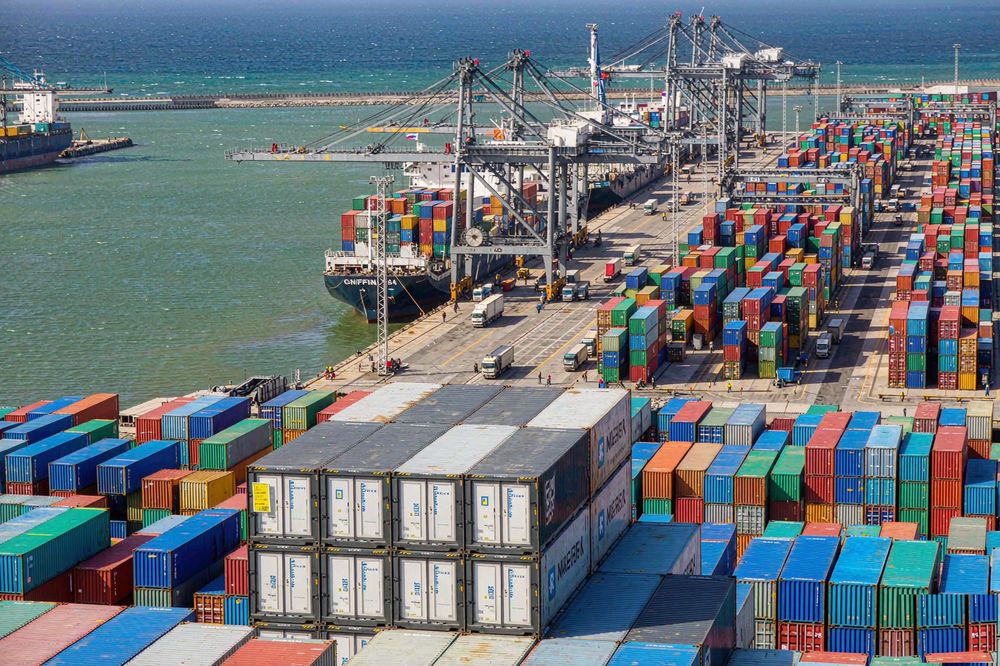
US/EU Tariffs Reshape Whitefish Trade in 2026: A B2B Sourcing Brief
The global whitefish trade is being redrawn by trade policy in 2026. US Section 301 tariffs and a sharp reset of Vietnamese pangasius anti-dumping rates are raising landed costs for frozen tilapia and pangasius, while the European Union is absorbing larger volumes as an alternative market. For B2B buyers, the message is clear: sourcing strategy now matters as much as unit price.
According to the latest FAO GLOBEFISH species analyses, global tilapia supply has remained stable but US demand has tilted toward frozen, lower-cost products, producing modest volume growth but weaker import values. Pangasius is on a different trajectory: FAO expects global production to exceed 4 million tonnes in 2026, up 2% year on year, with Viet Nam still dominating supply. The catch is that the species’ largest traditional market, the United States, is becoming more expensive to serve.
US Tariffs Squeeze Both Chinese Tilapia and Vietnamese Pangasius
Chinese frozen tilapia fillets have been subject to a 25% Section 301 tariff since 2018. Industry reporting now warns that an additional 12.5% Section 301 duty tied to a new investigation could lift the combined rate to 37.5%, a level Chinese processors say leaves little or no margin on US orders. The trade data already reflects that pressure. US imports of frozen tilapia fillets from China totalled approximately 78.57 million pounds (about 35,600 tonnes) between January and June 2026, down 16% from the same period in 2025, according to China Customs and US import tracking compiled by Seafood Media Group. A narrower January–May reading shows a 21.7% decline, from 84.5 million pounds in 2025 to 66.1 million pounds in 2026.
Vietnamese pangasius faces a parallel, though not identical, problem. On 12 August 2026 the US Department of Commerce released the final results of the 21st administrative review (POR21) of anti-dumping duties on frozen Vietnamese pangasius and basa fillets. VASEP reports that rates jumped far above the preliminary levels announced in February 2026. Bien Dong Seafood saw its duty rise from US$0.29/kg to US$1.00/kg, NTSF Seafoods from US$0.07/kg to US$0.38/kg, and the non-individually-examinated CASEAMEX/NAVICO pair from US$0.23/kg to US$0.84/kg. Any exporter subject to the Vietnam-wide rate now faces US$2.39/kg.
Those per-kilogram duties stack on top of a 12.5% Section 301 tariff that took effect on most Vietnamese seafood from 24 July 2026. Because frozen fillets operate on narrow margins, the combined burden is enough to change contract terms. VASEP has warned that US importers are likely to demand price concessions, cost-sharing, or alternative suppliers.
The market response is already visible. In the first seven months of 2026 Viet Nam exported US$189 million of pangasius to the United States, down 8% year on year. July alone collapsed 28% versus July 2025.
As the US becomes costlier, two markets are capturing the redirected volumes: China and the European Union.
Vietnamese pangasius exports to China reached US$357 million in January–July 2026, surging 31% year on year and accounting for roughly 27.5% of total pangasius export revenue. July shipments alone rose 15% year on year. VASEP notes that China is now the single most important pillar of pangasius export growth.
The European Union is also expanding. In the first half of 2026 Vietnamese pangasius exports to the EU reached approximately US$91 million, up 3% year on year, with June alone around US$20 million, up 56% year on year, according to industry data citing VASEP. The EU is an attractive outlet because demand for affordable whitefish is rising just as wild-caught cod and Alaska pollock supplies tighten. FAO GLOBEFISH and Eurofish commentary both identify pangasius as an increasingly viable substitute for higher-priced whitefish species in Europe.
For tilapia, the EU is less dominated by a single supplier. Market Data Forecast estimates the Europe tilapia market at US$4.70 billion in 2026 and projects it to reach US$6.82 billion by 2034, growing at a 4.75% CAGR. Germany alone accounted for 22.3% of the European market in 2025. EU trade data for NC8 03046200, which covers frozen fillets of tilapia, pangasius and related species, shows extra-EU imports of €647.4 million and 232.5 million kilograms between January 2022 and March 2026, giving an average import cost of €2.78/kg. Viet Nam captures 99.5% of that import value, confirming its central role in the bloc’s frozen whitefish supply.
For North American importers, the immediate implication is higher landed cost and thinner supplier margins. Chinese tilapia exporters are reportedly shifting more volume to Mexico, West Africa and other markets where whole-round fish and mixed sizes are accepted. In April 2026, Mexico imported 8,905 tonnes of Chinese tilapia, slightly surpassing the US on volume, while Côte d’Ivoire took 13,597.5 tonnes, making it the largest single destination that month, according to China Customs figures reported by Seafood Media Group.
For Vietnamese pangasius, the new POR21 rates will force a segmentation. Exporters with rates near US$1.00/kg or the Vietnam-wide rate of US$2.39/kg will struggle in the commodity frozen fillet segment. VASEP advises affected companies to focus on deep-processed, value-added products, strengthen accounting and traceability documentation, and negotiate early with US importers on cash-deposit obligations.
For European buyers, the window is open. Tighter cod and pollock quotas are pushing foodservice and retail buyers toward pangasius and tilapia. EU demand is price-sensitive but stable, and the bloc’s regulatory environment rewards consistent documentation, HACCP and ASC/BAP credentials. Buyers who lock in multi-month contracts with certified Asian suppliers can secure volume before the redirected US-bound supply tightens EU availability.
NEGUPGROUP SEAFOOD | WhatsApp +86 13360658417 | [email protected] | www.negupgroup.com
Consistent sizing, glazing control and IQF handling are critical when switching origins under tariff pressure.
Frozen Tilapia Whole Fish: 300–500g / 500–800g / 800g+; gutted/scaled; 10kg carton; IQF or block frozen.
Frozen Tilapia Fillet: 3–5oz / 5–7oz; skin-on or skinless; 10kg / 5kg carton; IQF or block frozen.
Frozen Pangasius Fillet: 3–5oz well-trimmed; 10kg carton; IQF or block frozen.
Certifications & origin flexibility: HACCP, BRC, BAP/ASC available depending on product line. Mixed-container loads and sample lots supported.
Monitor US tariff timelines. Any additional Section 301 action on Chinese seafood, or Congressional movement on import quotas, will move prices before the goods ship.
Diversify origin and specification. Whole-round tilapia is finding new homes in Africa and LATAM; skinless fillets remain the EU preference. Match the spec to the market.
Audit supplier documentation. Vietnamese exporters under higher anti-dumping rates will prioritise customers with clean traceability and verifiable cost structures.
Lock EU volume early. With cod and pollock supplies tightening, pangasius and tilapia will face stronger EU competition through the holiday season.
NEGUPGROUP SEAFOOD | WhatsApp +86 13360658417 | [email protected] | www.negupgroup.com
NEGUPGROUP SEAFOOD | WhatsApp +86 13360658417 | [email protected] | www.negupgroup.com
A one-page summary of US Section 301 and POR21 impacts, VASEP export data, EU import trends, and NEGUPGROUP product specifications.
FAO GLOBEFISH — Tilapia and Pangasius quarterly analyses, May 2026.
Vietnam Association of Seafood Exporters and Producers (VASEP) — pangasius export statistics, January–July 2026; POR21 commentary.
Seafood Media Group / FIS — China Customs tilapia export data, April–June 2026.
China Customs / industry reporting — US frozen tilapia fillet import trends, January–June 2026.
Eurofish / EU trade data (NC8 03046200) — extra-EU frozen fillet import values and volumes.
Talk to the NEGUP trading desk — quotes within 24 hours.
Contact NEGUP Foods